Plant-based natural fibers
One of our favorite topics when it comes to sustainable products is a natural fiber. Natural fiber is a raw material that comes directly from plants, animals, or minerals, and can be used to create fabric or yarn for woven products. There are many natural fiber examples that you are probably familiar with, and interact with on a daily basis, such as cotton, silk, linen, and wool, but there are countless others that are being used with increasing frequency, and many more are still being discovered. Curious? Read on! We are excited to share two of our favorite plant-based natural fibers that are being used to replace harmful synthetics.
Hemp Fiber
Hemp fiber is known as a bast fiber and is derived from the stalks of hemp plants. It is grown in a variety of global locations, as it is resistant to colder temperatures than many other plants, yet thrives in more mild climates with enough rainfall to keep the soil continuously moist. In order to obtain hemp fiber from the plant, the stalk goes through a retting, or separation process, which removes the usable fibers from the stem of the plant. This can be done using water, through natural decomposition for a period of time, or through the introduction of natural enzymes to increase the speed of the process.
Hemp has many positive aspects in regard to environmental preservation. It requires significantly less land and water to grow and is pest and disease resistant, which limits the use of harmful pesticides. It also can be used for the production of biofuels, which are created from hemp seed oil, and is a viable replacement for many harmful fossil fuels. Additionally, it is proven to absorb more carbon dioxide from the atmosphere than any other plant, making it a significant option for reducing the impacts of global warming and climate change.
Hemp is durable and versatile, allowing it to be used for several different products, including rugs and other textiles, home and lifestyle goods, clothing, shoes, and many more. Hemp apparel has been emerging with increasing popularity, as it is hypoallergenic, breathable, and resists the growth of bacteria (aka, less smells and therefore, needs fewer washes). As if that wasn’t enough, it gets softer overtime, making each piece a lasting, comfortable wardrobe staple.
Learn more about the benefits of hemp in this video.
Jute Fiber
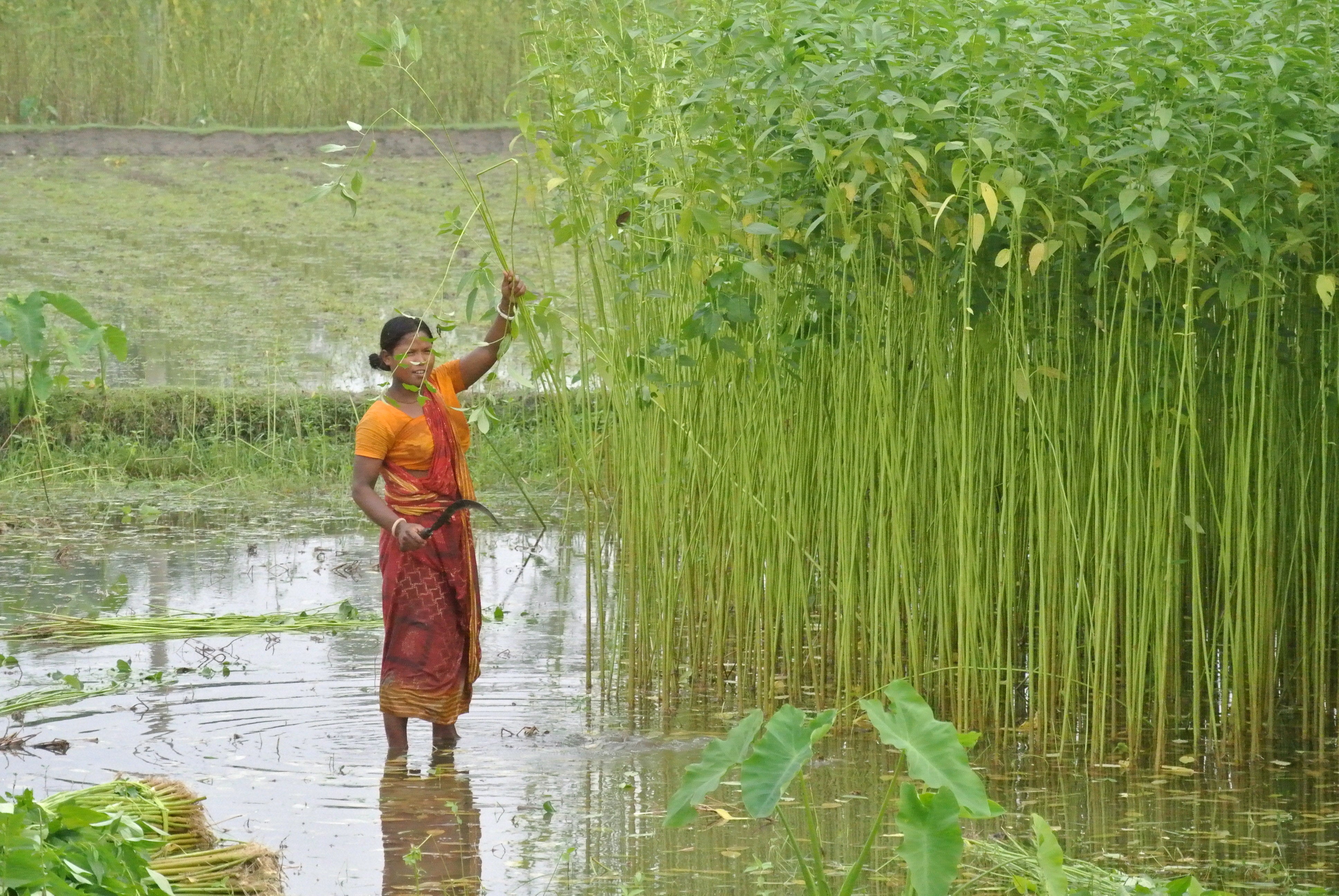
Another member of the bast fiber family that we love is jute. Similar to hemp, the fiber comes from the stalk of plants in the Corchorus species and goes through a retting process with water to separate the useful parts of the plant from the more coarse materials. There are two different types of jute that are produced today for fiber, which are white and brown jute. It grows best and most commonly in warm, wet climates, and most jute production is based in India and in parts of the Amazon.
There are a variety of environmental benefits of jute. It grows efficiently and quickly with a six-month yield time, and requires less land use, and does not need pesticides as it is naturally resistant to bacterial growth. Jute is both biodegradable and compostable, contributing to waste reduction, and the compost made from it can help add nutrients to the soil. It also absorbs carbon dioxide at a rapid rate, and emits a large amount of oxygen, more than most trees.
While jute has been used traditionally to make a variety of everyday products throughout history, including burlap, its use today has increased and diversified to create a multitude of the useful, environmentally conscious home and lifestyle products. Jute is a great material for reusable shopping bags, and ditching plastic shopping bags is one of the simplest ways to reduce your waste footprint. Jute bags are a great alternative, as they are durable and antibacterial, making them safe to use for food and produce shopping again and again. Jute can also be used for many natural home textile products, such as rugs and décor.
Want to obtain eco-friendly goodies of your own? Check out Flourish’s large variety of products by searching “natural fiber”, we are excited to share the awesome finds we have curated for you! Be sure to look out for more of our favorite natural fibers in future articles, and feel free to contact us if there is a topic you would be interested to learn about; chances are people in the Flourish community are looking for the same information, and we’ll give you a shout-out for your participation!
Comments
Post a Comment